Building Sustainable Equine Trails: Recreation and Conservation
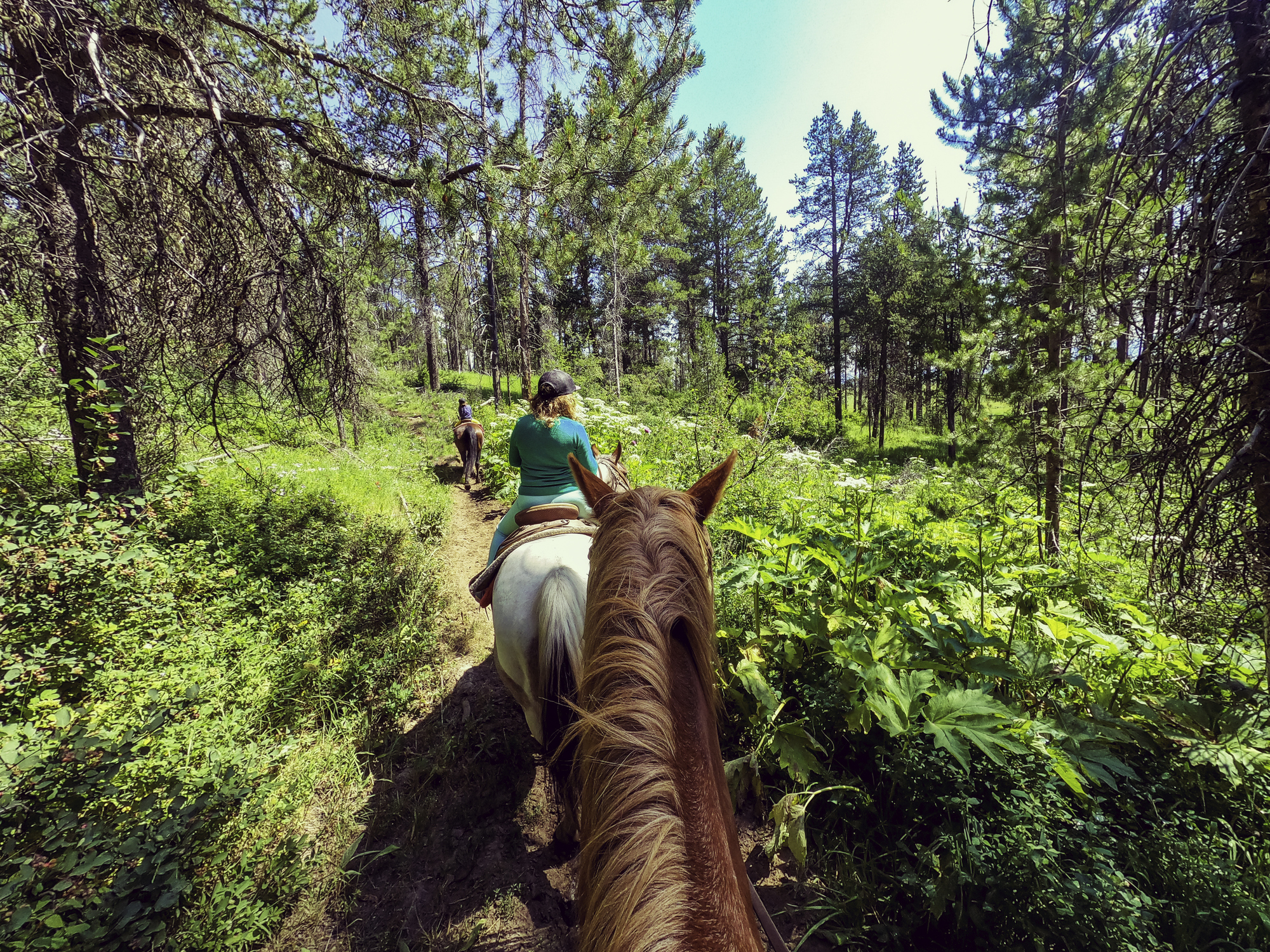
Sustainable equine trail building is key to preserving the environment and having safe fun riding. As equestrian recreation expands in popularity, creating trails with minimal environmental impact becomes increasingly critical.
Design Principles
Working with natural terrain is foundational. Trails should follow the contours rather than cutting straight up or down slopes, which reduces erosion and runoff. Proper drainage systems — including water bars and rolling dips — direct water away from trail surfaces, preventing ruts and muddy sections while protecting surrounding vegetation.
Durability Considerations
Horse traffic differs substantially from hiking or biking. Wider turns, gentle grades, and firm footing are needed to support horse traffic without causing soil compaction or damage to hooves and joints.
Community Engagement
Success depends on collaboration. Involving local equestrian communities, land managers, and conservation groups is crucial for long-term trail success.
Thoughtful planning combined with maintenance and community participation enables balancing recreational use with environmental stewardship.